

News
MLR Forestal identifies 250 species of birds in its plantations and creates a catalog
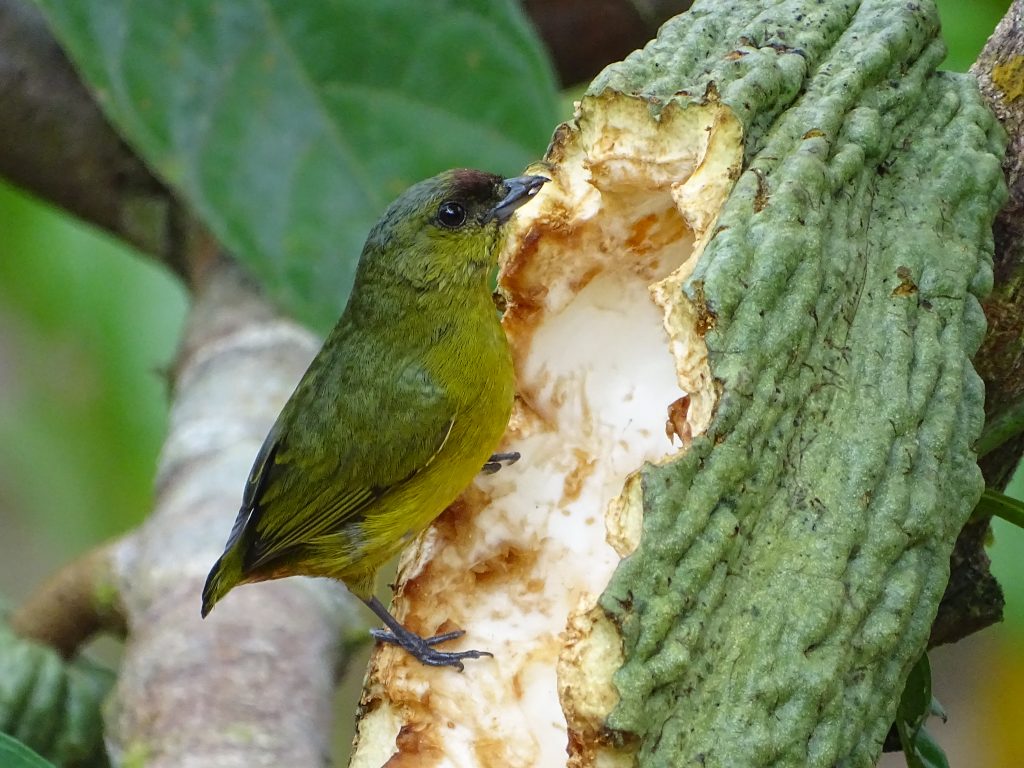
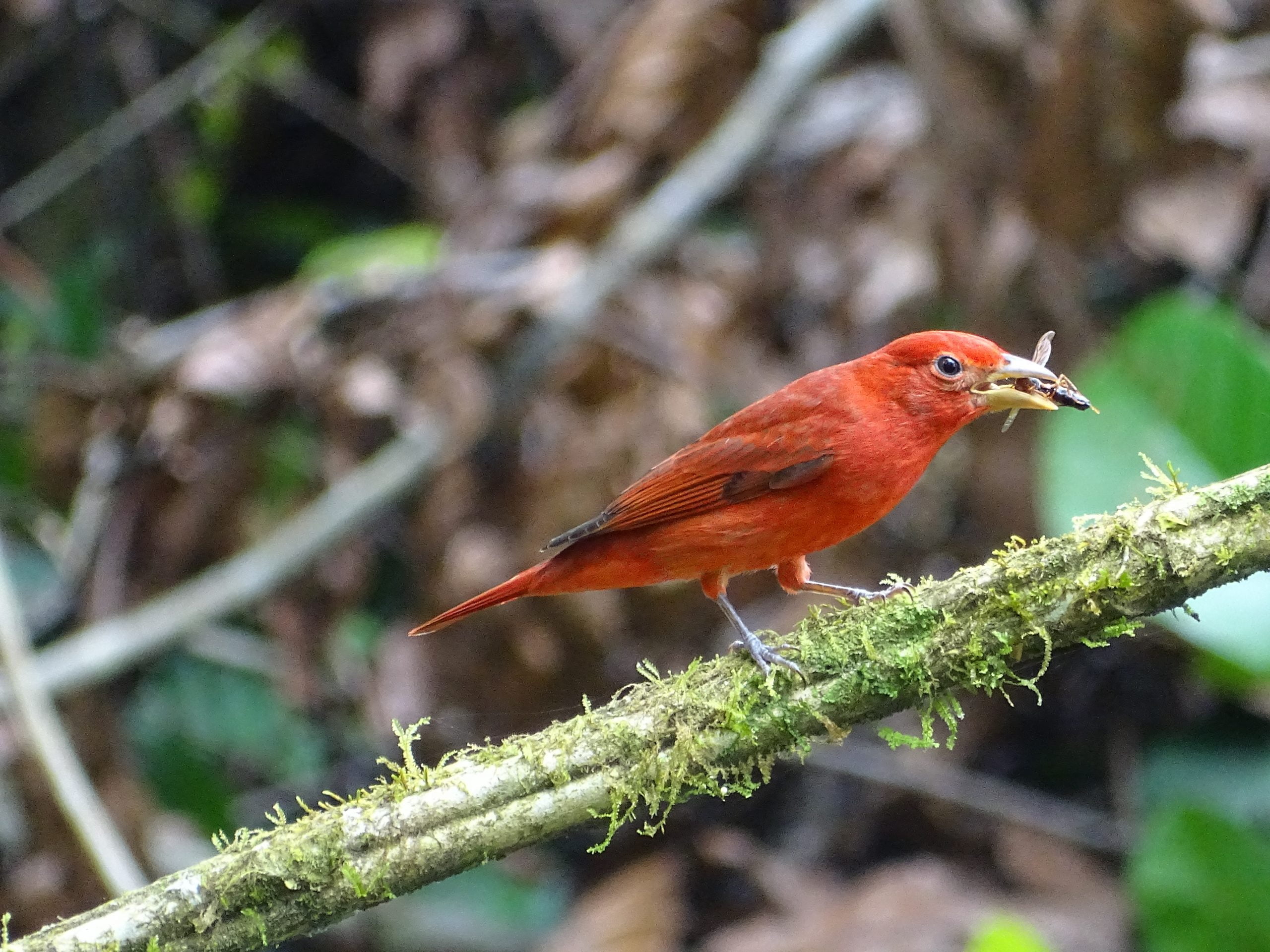
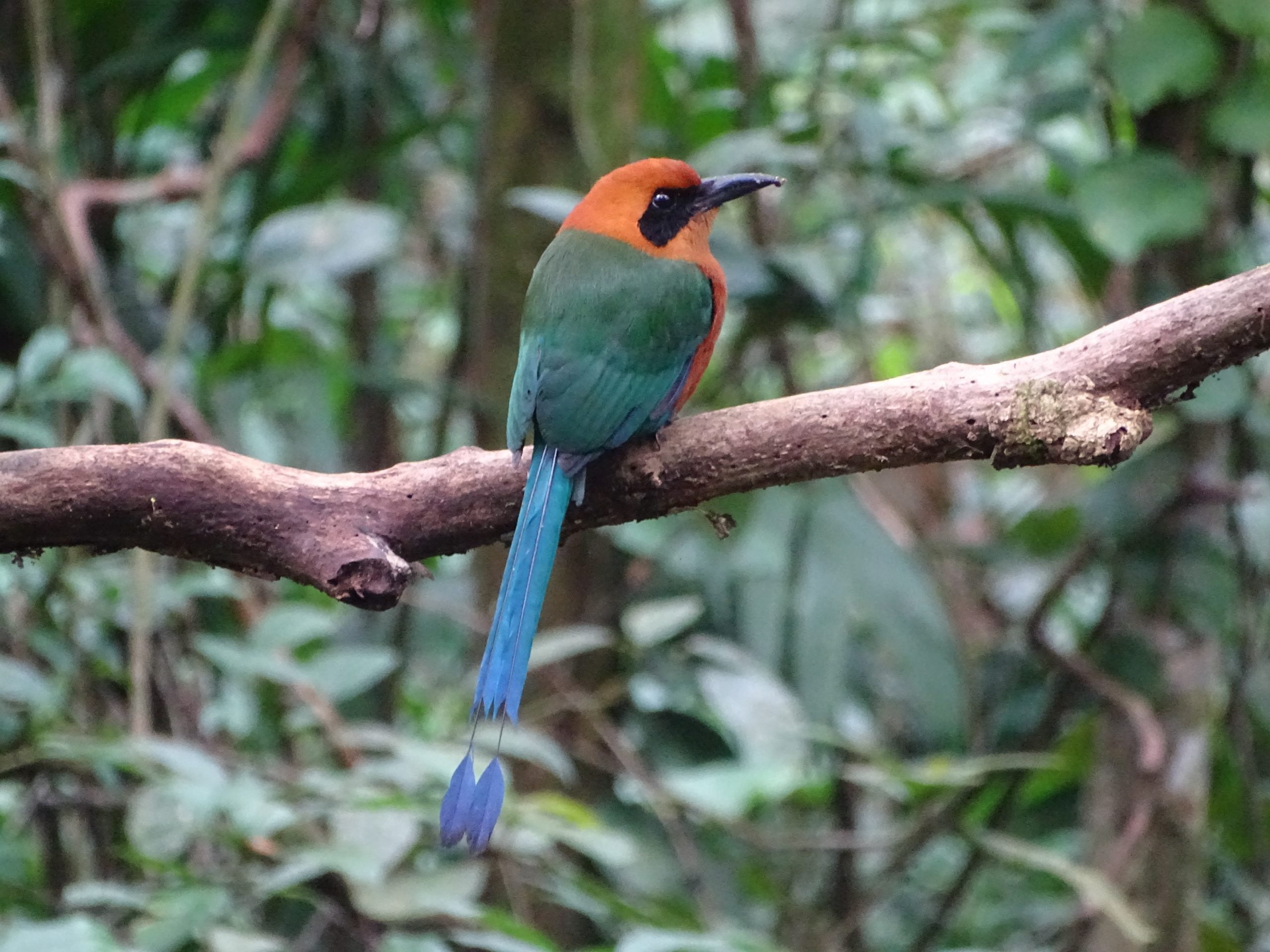
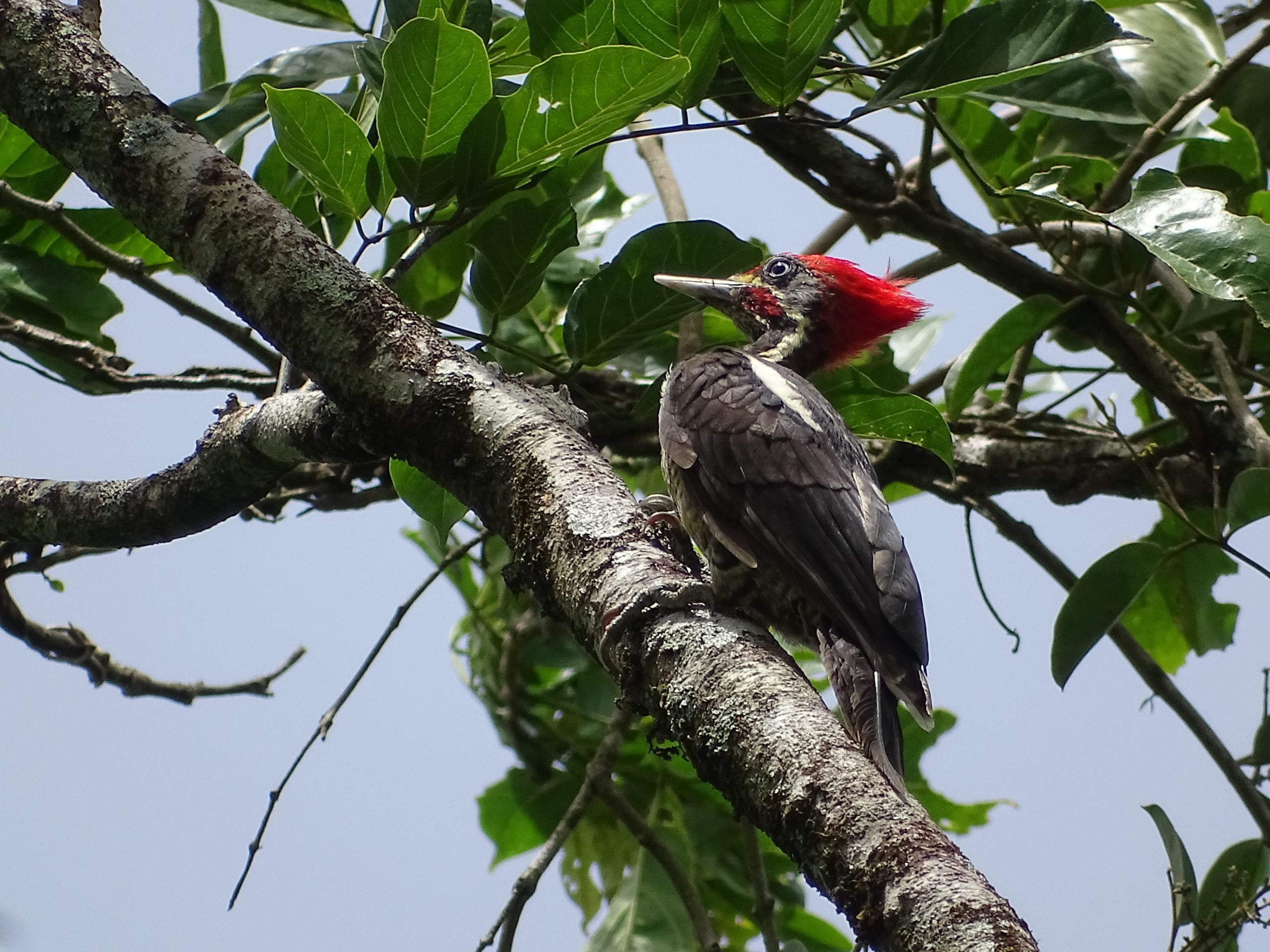
MLR Forestal’s farms and plantations are home to 250 species of birds; These have been identified and classified in a digital catalog that the agroforestry company has made available to the public. Directories of reptiles, amphibians and mammals will also be presented soon.
Catalog in PDF format (17MB)
Abiecer Soza, head of Biodiversity Management at MLR and creator of the document, explained that it contains high-quality photos of 141 of the 250 birds presented. For the identification of some of the birds, the Nicaraguan Bird Guide was used as support material; also the Merlin Bird ID application where you can upload a photo of the bird and the application recognizes it.
“This information helps us to make decisions”
Of all the birds that appear in the catalog, there is a very special one: the yellow-naped parrot. “It is the one in greatest danger; and we as a company are committed to the protection of vulnerable species or those at high risk of extinction ”, says Soza.
The environmental specialist states that parrots are very particular birds; because “they can be used as indicators of the functioning of ecosystems. Since they generally live in one area and feed in another; but they always have the same transit routes and when there are no parrots, perhaps there is some factor affecting their behavior ”.
Luis López, manager of Sustainable Development of MLR, added that thanks to this directory they will be able to direct the work plans of the company; especially to benefit those species that require more attention.
“This information helps us make decisions in the management system of our protection areas. For example, we have already decided that we are going to plant some fruit species to provide feeders for these species; that is to say, research, in addition to being a scientific contribution, is a decision-making tool ”, he pointed out.
A valuable study at the regional level
López stated that according to the environmental sustainability framework with which MLR works, in 2020 it began to work on specific issues; among them animal species, biological corridors and the importance of forest plantations.
“And countless studies have emerged that serve not only the company; rather, we have monitored, and at the regional level, there are not many current studies that can account for how the indicators are, as in this case of birds, ”says López.
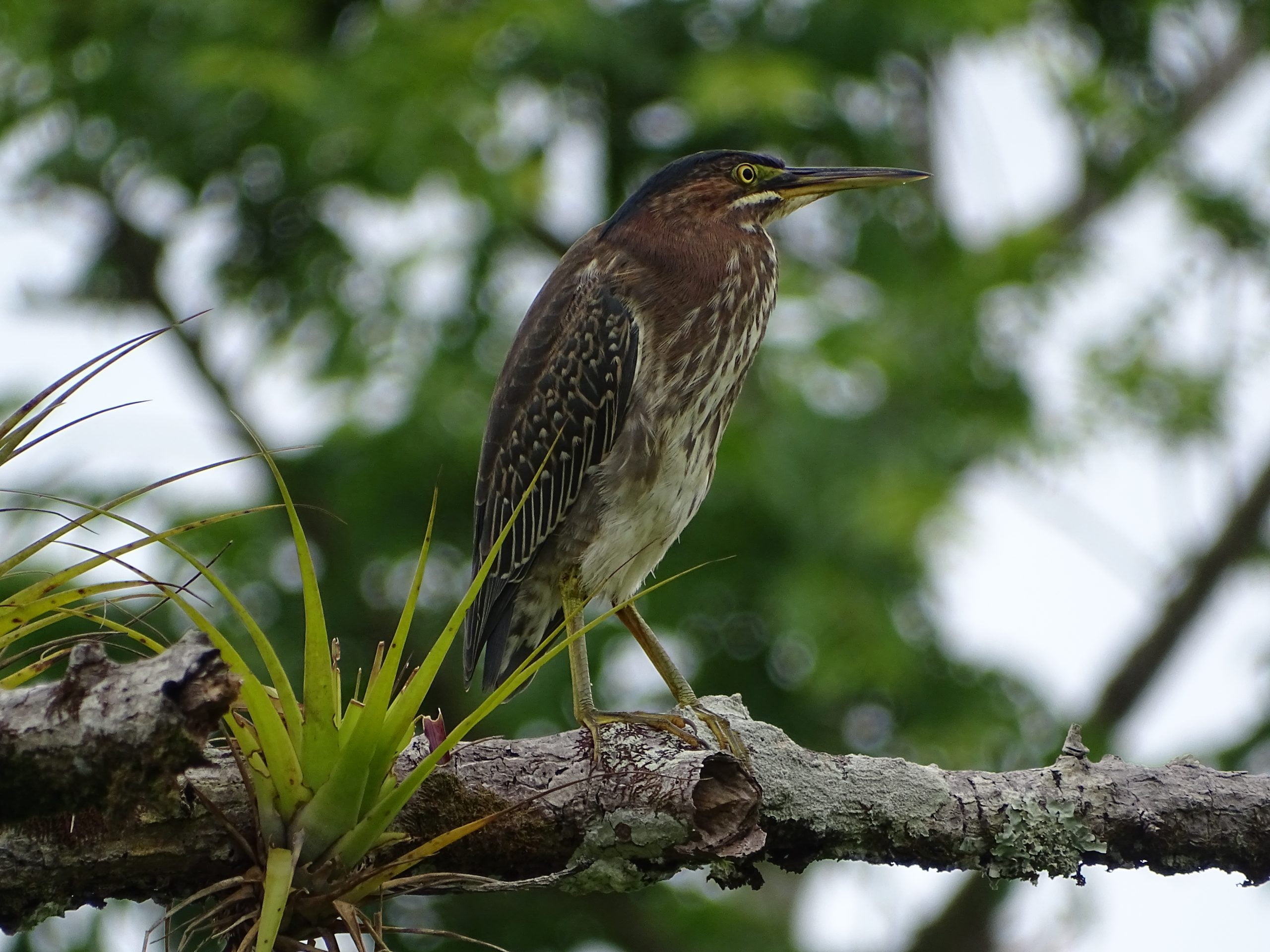
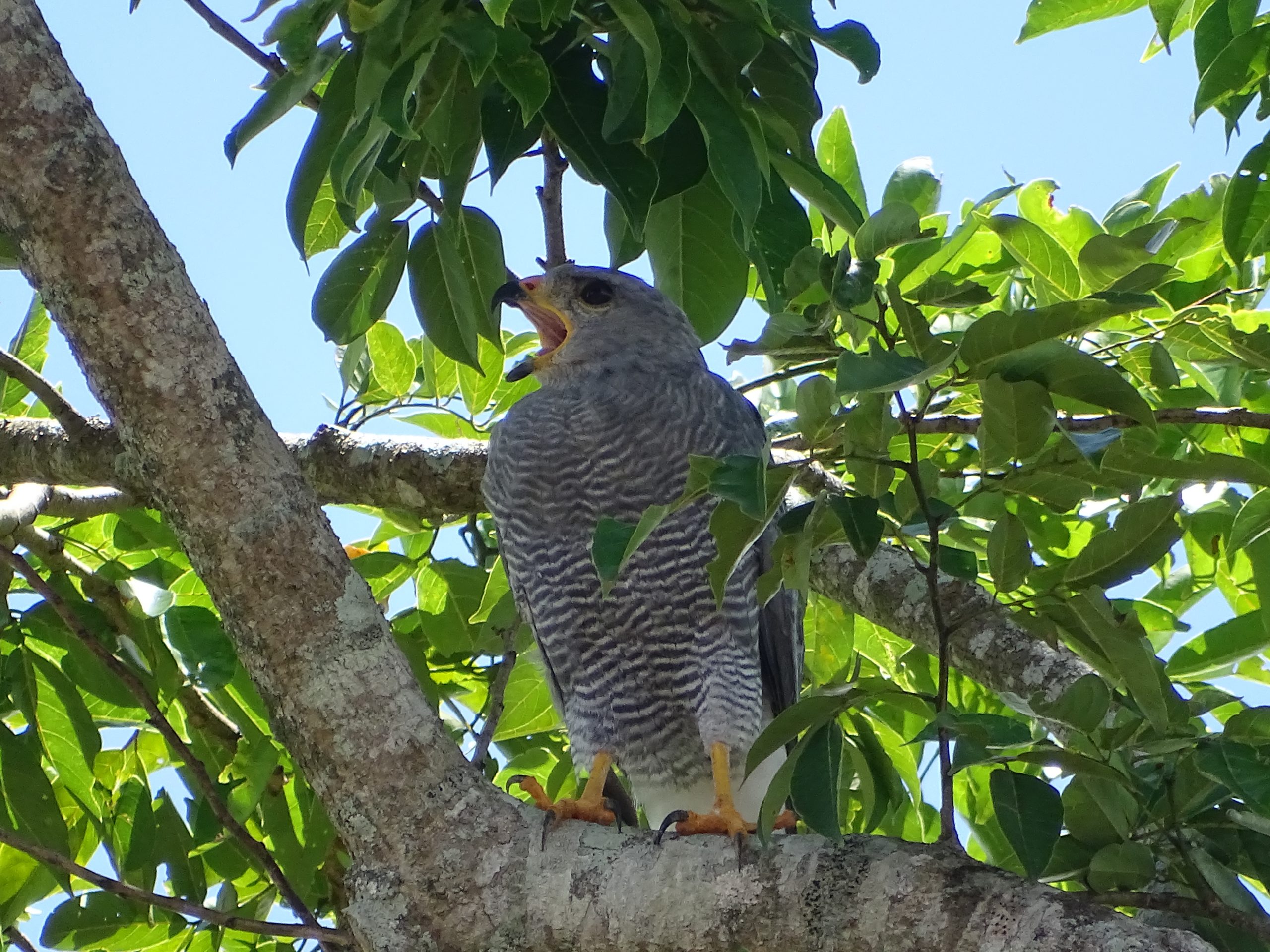
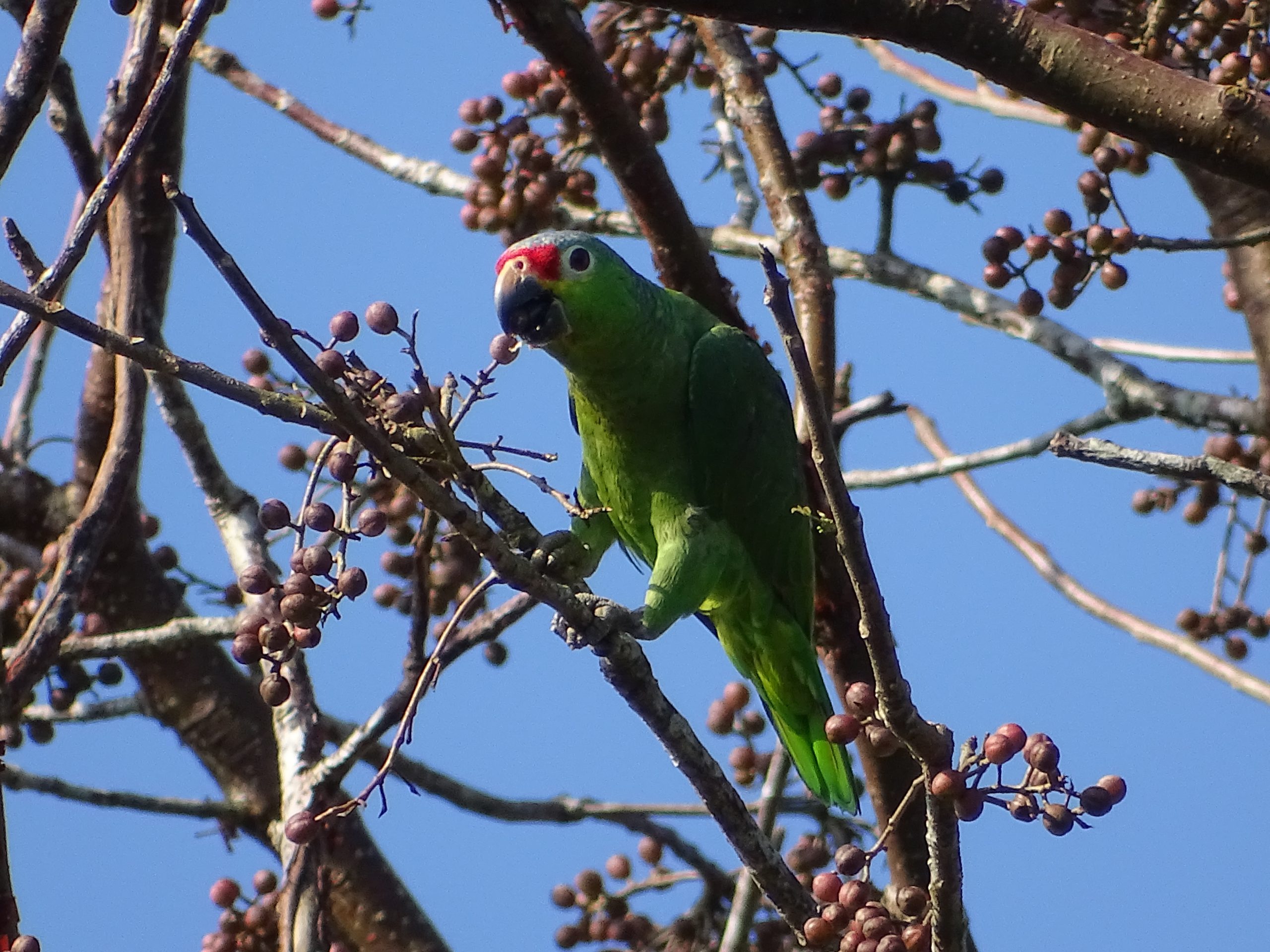


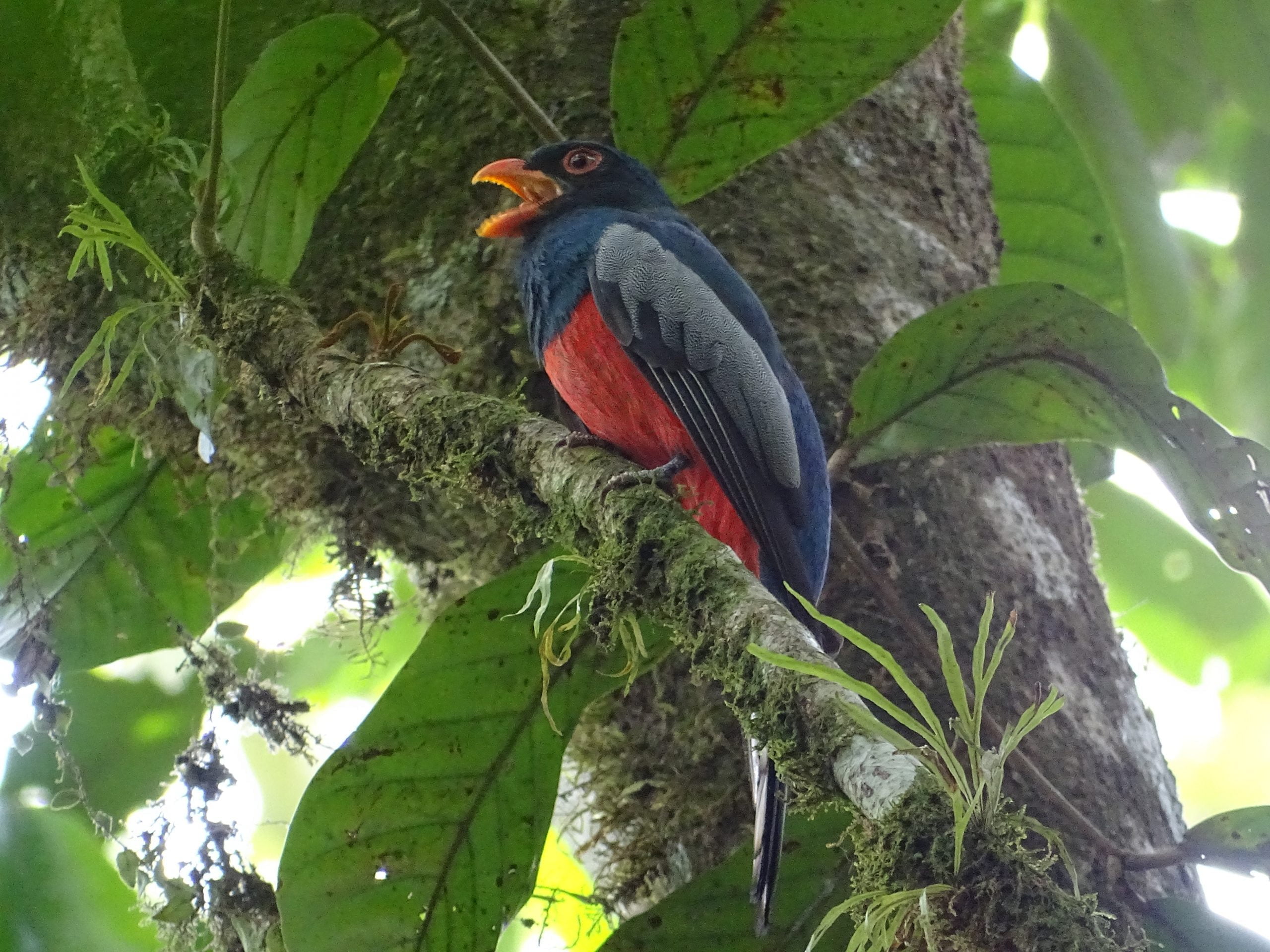
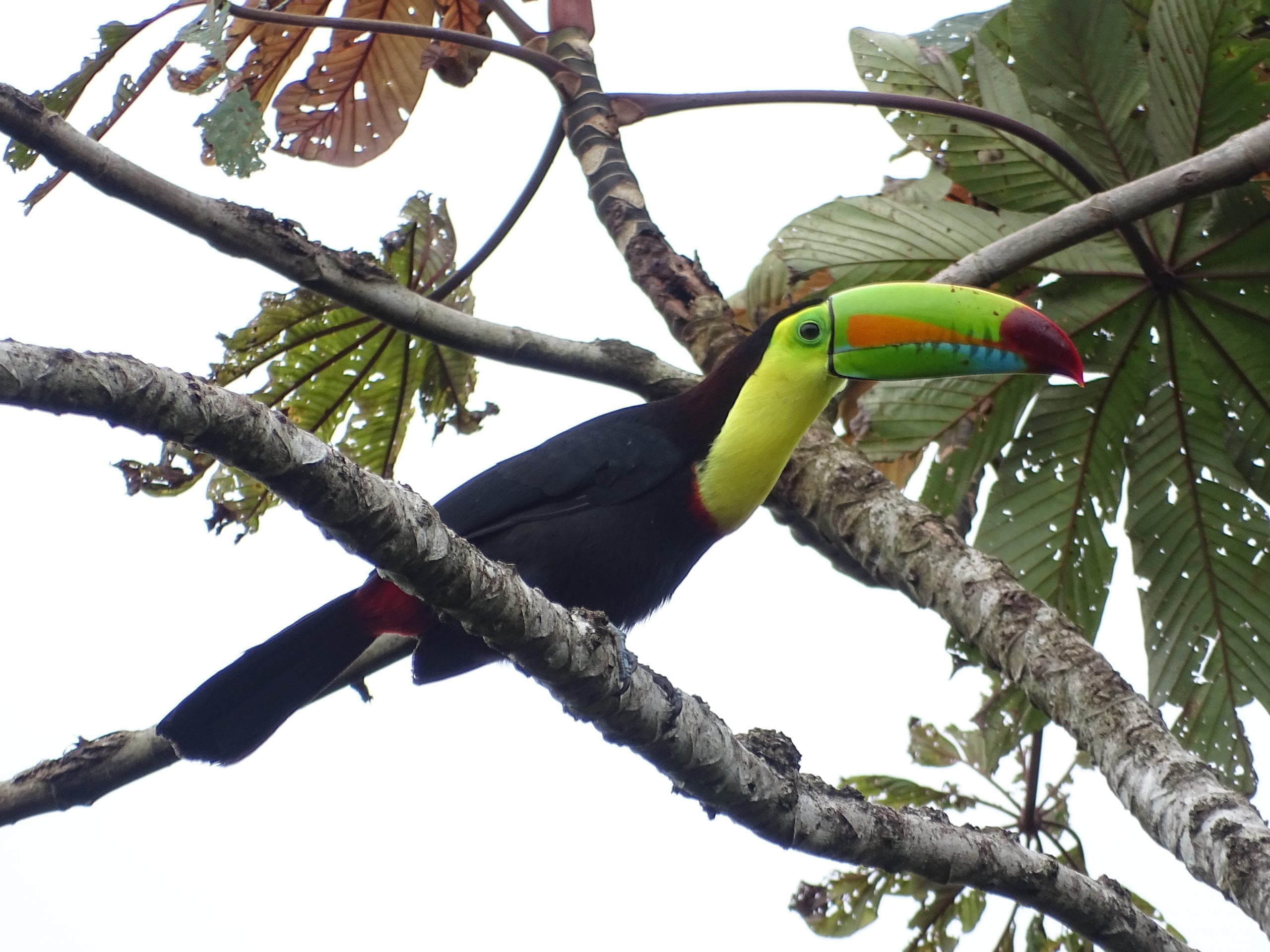
For this reason the company is making contact with some international networks that work with birds; because it wants to share some species that at some point may be considered endemic, so that they can be made available to science.
While at the national level, the company will be represented by Soza at the Global Big Day, which will be held in the Mombacho Volcano Natural Reserve on May 8. There are also talks to participate in the International Bird Festival, scheduled to be held in June in Granada.
López explained that “the idea is that companies, institutions or people who do monitoring meet to hold conferences, present study results, view data and share with society in general. In this Festival the Caribbean will be represented by MLR Forestal ”.
Share